
Varthamanam by Aksomaniac
The Blog #9: R&B that breaks boundaries

The Blog features short writeups on short EPs. My thoughts and track-by-track notes are listed below. Listen to the EP. Discuss. Enjoy.
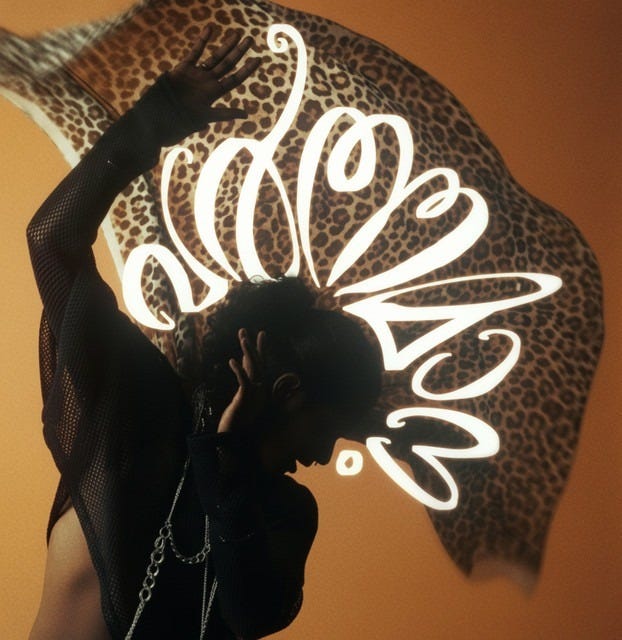
Place @original listen: in the plane? in the car? At home? At work? Don’t know. Life is crazy right now.
Thoughts:
I am surprised R&B has not taken off in India as fast as it should have. I expected it to have a moment in the tier-1 cities, amongst the english-speaking urban-elite at least. As a population, we are yearners. We yearn to move upward, we yearn to retire from working, we yearn to work, we yearn to outwork, we yearn to live around work. But most important of all, we yearn to love. Regardless of where we’re from, romance and love failure are our single most consumed topics in media. It almost feels like we’re expressing our aspirations and dreams through romance. Eveything we want to achieve for ourselves is viewed through the rose-blood-coloured lens of love. Also, we love slow melodious romance songs that absolutely pine. The pining must be cranked to a 1000. Really possesive, in-the-dumps, I-can’t-live-without-you passion. This has been the case since time immemorial, by the way— Indian popular music has always derived from the soul, passion, and raagams of Caranatic and Hindustani music that have captivated us for centuries now. We yearned for love from god then, we yearn for love from mortals now. So, there is context to R&B in India, a genre fundamentally based off of the tenets mentioned above. I guess the only difference is how much more sexually charged it is as a genre. Our sexual music is more akin to the romantic poets—full off rich imagery and double entendres. R&B is in your face, let’s-do-it-right-now music. Our urban-elite colonial brains should be lapping up this western equivalent, shouldn’t we? We too yearn to express freely, albeit through what our Western counterparts deem acceptable. But I digress. R&B has the potential to sweep our subcontinent with how familiar yet exotic it sounds. Aksomaniac clearly recognizes this. In styling himself as an R&B artist, Akso is appealing to Western sensibilities and making his music identifiable on a larger stage. But the actual music itself is fundamentally Indian and draws from Indian instruments and aesthetics. He has a veteran’s ear for melody, which tells you that he’s been developing his sound for a while now. His delivery twists and turns in its effort to escape the shackles the looping drumlines have placed on the beat. I love how his music is effortlessly catchy. You stay for the melody, and then pick up the lyrics which attempt to decode Akso through various lens. The melodies of Varthamanam stick to you long after the EP ends. It’s a short EP though, and I will deduct some praise for slotting in a slowed down version of his breakout hit Paapam at the end. Paapam is a song that shouldn’t have worked. It’s a Malyali-R&B track with trap production and Marathi rap(Shreyas sounds haunting in his menancing verse); but the fact that it has blown up so much just goes to show the reach that DHH has, and can potentially have. Indian Hip-Hop has the power to unite us like nothing we have seen before. We are at the beginning of something special. This is also the beginning of Aksomaniac. Varthamanam gives us Aksomaniac in many forms, but the base of it all is carnatic-infused R&B. Excited to see where he takes his sound further.
Notes:
Karupp: the keys are nice and upbeat. Akso’s voice swirls around the beat crooning about the darkness in him. I fuck with the production. It contrasts really well with the melancholy of Akso’s delivery.
Kanmanshi: Kanmashi loosely translates to eyeliner— a lens to the lived experience. It is more specifically used to refer to the eyeliner Kathakali dancers wear as a part of their outfit. It is a form of expression. The eyes tell a story, the eyeliner creates the setting. Akso is searching for answers in his expression. The drums are urgent, as if his quest must be fulfilled by the end of this track. Absolutely love the bridge—effortlessly transitions to the inner conflict Akso faces in his path toward finding himself. The aakaram at the outro is soul-nourishing.
Paapam: in the context of the EP, this stands in contrast to the more upbeat production from earlier. The beat is haunting, and Akso and Shreyas sounds like the old men that tell you about the ancient king who died unfulfilled in this now haunted house. 10/10 banger that deserves all the love and praise it is getting. Been on loop since its release.
Aliyum: back with the upbeat production. Damini Bhatla has a great verse, but I feel like her pronunciation is a bit off. Love how she brings a Hindustani music-styled delivery to the track. All of the collaborators on Varthamanam so far have been very organic. They are all pieces to the track and play key roles in maintaining its essence. Aliyum means to dissolve in Malayalam. Fittingly, the track will have you melting into the melody. Calming.
Paapam Pinneyum: slowed-down Paapam with reworked production.